
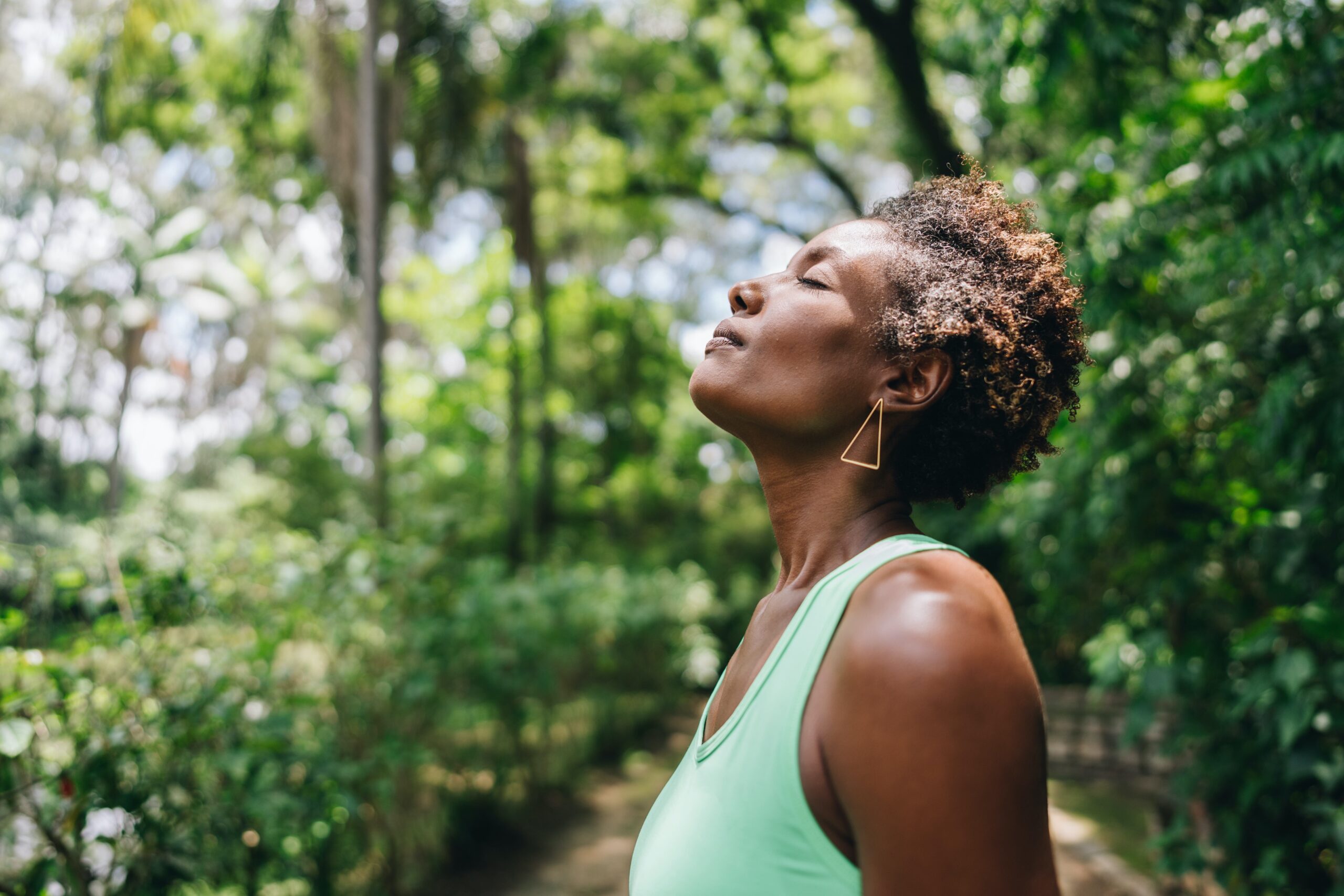
Hiking can be more than cardio. It can be a moving meditation, a rhythm for your breath and your thoughts, a sanctuary where you return to yourself. When you slow your pace, engage your senses, and bring awareness to each step, the trail becomes more than a path, it becomes a partner in your healing, reflection, and growth.
If you’ve ever felt more clear-headed after a forest walk, you’re not imagining it. Studies show that time in nature reduces stress hormones, improves attention span, and increases positive emotion. Trail meditation deepens that effect by turning a simple hike into a full-bodied wellness ritual.
Why Trail Meditation Works
Unlike sitting meditation, trail meditation invites the whole body to participate. You’re not escaping the world you’re entering it more fully. The repetitive nature of walking calms the nervous system, while your surroundings offer endless invitations to notice, listen, breathe, and be.Whether you’re new to mindfulness or looking to deepen your hiking practice, these five trail meditations offer a grounding and creative path forward.
1. Breath + Step Awareness
How it works: Match your breath to your steps. For example, inhale for four steps, exhale for four. Adjust to your natural rhythm.
Why it helps: This anchors you in the present and helps regulate your nervous system. It brings immediate calm and clarity.
Try it on: A gentle incline or flat path where you can settle into a rhythm without overexertion.
2. Sensory Scanning
How it works: Choose one sense at a time to focus on. For 2–5 minutes each, tune into what you hear, then see, then feel, then smell. Skip taste unless you’re safely snacking.
Why it helps: Deepens sensory presence and pulls your attention out of rumination or mental fog.
Try it on: A forest loop, near a stream, or anywhere with subtle environmental shifts.
3. Grounding With Gratitude
How it works: Each time your foot touches the ground, think of something you’re thankful for. Start with the basics — your breath, your body, this trail.
Why it helps: Shifts your mindset from stress to appreciation. Builds mental resilience.
Try it on: At the start of your hike or whenever your energy dips.
4. Pause + Reflect
How it works: Choose a “sit spot” mid-hike. Sit, journal, sketch or simply observe. Ask: What have I noticed so far? What feels different?
Why it helps: Encourages integration. Gives your creative mind a chance to respond to the journey.
Try it on: A scenic overlook, beside a quiet stream, or near a tree that draws your attention.
5. Walking With Intention
How it works: Begin your hike by setting an intention. It could be a question (“What do I need to release?”) or a word (“clarity,” “soften,” “strength”). Carry it with you. Let the trail respond.
Why it helps: Aligns your inner journey with your outer one. Turns your hike into a form of personal inquiry.
Try it on: Solo hikes or during a new season or life transition.
Trail meditation is a practice of returning. Returning to your body, your breath, your senses, your surroundings. It reminds you that clarity often lives on the other side of movement, that peace can meet you mid-hike, and that creativity is born from attention.
At Workout Artist, we believe in hiking as a path to self-connection, not just sweat and summits. Try one or more of these meditations on your next hike and notice what shifts.
Ready to bring more intention to your hikes? Download our free Trail Guide and journal prompts. Then share your trail reflections with us using #WorkoutArtistTrails, your words, sketches, and insights could inspire someone else’s next mindful walk.